
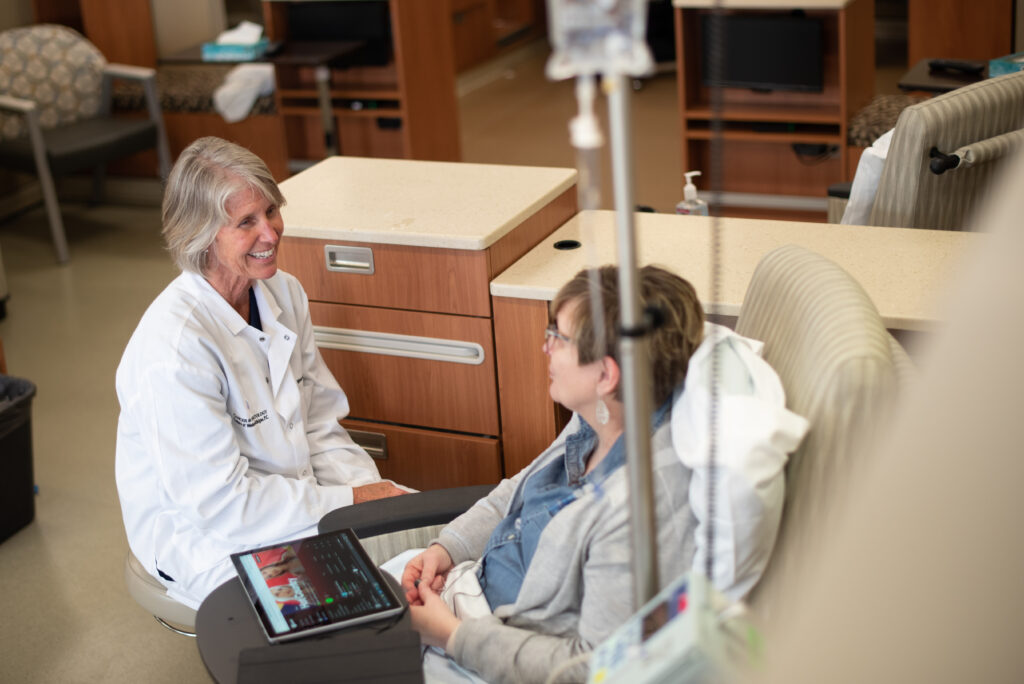
Cancer remains one of the most challenging medical conditions of our time, affecting millions of lives worldwide. While researchers continue to develop new treatment approaches, chemotherapy has long been a cornerstone in the fight against cancer. But how does chemotherapy work?
Whether you’re a patient, caregiver, or simply curious about medical science, we want to help you understand the basics of this cancer-fighting tool. Chemotherapy is one of the most vital aspects of many cancer treatment plans. The more you know about how chemotherapy works, the more empowered you’ll be to make informed decisions about your care and manage your treatment journey.
What Is Chemotherapy?
Chemotherapy, often shortened to “chemo,” is a powerful form of cancer treatment that uses drugs to destroy cancer cells. It’s one of the most widely used and effective methods in the fight against various types of cancer.
At its core, chemo is a systemic treatment, meaning it affects the entire body. Unlike targeted therapies or surgery that focus on specific areas, chemotherapy drugs travel throughout the bloodstream, reaching cancer cells wherever they may be.
Doctors use chemotherapy for several purposes:
- To cure cancer by eliminating all cancer cells
- To control cancer by preventing it from spreading or slowing its growth
- To ease cancer symptoms (palliative care) by shrinking tumors that cause pain or pressure
Chemotherapy can be used alone or in combination with other treatments, such as surgery, radiation therapy, or immunotherapy. The specific approach depends on the type and stage of cancer, as well as the patient’s overall health and preferences.
How Chemotherapy Works
To understand how chemotherapy works, you need to know that cancer cells differ from normal cells in one key aspect: they divide and grow much faster.
The process of chemotherapy involves a multi-faceted approach to attacking cancer cells. Chemotherapy drugs are designed to target fast-growing cells and interfere with their division process by damaging DNA or disrupting cellular mechanisms.
These drugs are often most effective at specific phases of the cell cycle, interrupting it at various points to prevent cancer cells from completing division and multiplying. When successful, this interference leads to apoptosis, or programmed cell death, where damaged cancer cells essentially self-destruct.
Chemo is typically administered in cycles, allowing the drugs to attack cancer cells at different growth stages. This repeated assault over time creates a cumulative effect, gradually reducing the number of cancer cells in the body and working towards the ultimate goal of eliminating the cancer entirely.
While chemo effectively kills fast-growing cancer cells, it can also affect other rapidly dividing healthy cells in the body. This is why patients often experience side effects like hair loss, nausea, and decreased blood cell counts. However, unlike cancer cells, most healthy cells can repair themselves from this damage.
Types of Cancer Treated with Chemotherapy
Chemotherapy is a versatile treatment option used in the fight against almost all types of cancer. Its applications are broad, ranging from treating active cancer to preventing its recurrence after other treatments.
Whether it’s solid tumors or blood cancers, chemotherapy plays a crucial role in many treatment plans. It’s used for common cancers like breast, lung, and colorectal cancer, as well as rarer forms such as lymphomas and sarcomas.
In some cases, chemotherapy is the primary treatment, while in others, it’s used in combination with surgery, radiation, or immunotherapy to maximize effectiveness.
Types of Chemotherapy Medications
There are hundreds of different types of chemotherapy medications, each with its own mechanism of action and specific uses. Here are some of the main categories:
- Alkylating agents: These medications treat many cancers, including leukemia, lymphoma, Hodgkin disease, multiple myeloma, and sarcoma. They work by bonding with the molecules that make up cancer cells, effectively destroying them. This interference with DNA prevents the cancer cells from reproducing.
- Antimetabolites: These drugs are commonly used to treat leukemia and cancers of the breast, ovaries, and intestinal tract. Antimetabolites stop DNA synthesis in cancer cells to prevent them from growing and dividing. By mimicking the building blocks of DNA, they trick the cell into incorporating them and disrupting the cell’s life cycle.
- Anti-tumor antibiotics: These are used to treat many types of cancer, and they work similarly to antibiotics that fight bacterial infections. However, instead of attacking bacteria, they interfere with DNA inside cancer cells to prevent them from growing and dividing. They’re effective against a broad spectrum of cancers, including leukemia, lymphoma, and cancers of the lung, breast, and ovary.
- Topoisomerase inhibitors: These medications are primarily used to treat lung, ovarian, gastrointestinal, and other cancers. They work by blocking enzymes called topoisomerases, which are crucial for DNA replication in cancer cells. By interfering with these enzymes, topoisomerase inhibitors prevent cancer cells from dividing and growing.
- Mitotic inhibitors: These drugs are effective against several types of blood cancers, as well as some solid tumors. They work by blocking mitosis, the process of cell division. By preventing cancer cells from dividing, mitotic inhibitors slow or stop the growth of tumors. They’re often derived from natural sources, such as plants or microorganisms.
Each of these types of chemotherapy medications targets cancer cells in different ways, allowing oncologists to choose the most effective treatment or combination of treatments for each patient’s specific type and stage of cancer.
Our care coordinators are here to help you understand your chemotherapy treatment plan and answer any questions you have throughout the process.
What to Expect with Chemotherapy
Understanding what to expect during chemotherapy can help alleviate anxiety and prepare you for the treatment journey ahead.
While each person’s experience is unique, there are some common elements to most chemotherapy treatments.
The Medication You’ll Receive
Chemotherapy medications can be administered in various ways, depending on the type of cancer and the drugs prescribed.
Some medications are delivered through a chemotherapy port—a small device surgically implanted under the skin, typically in the chest area. This port allows for easy and repeated access to a vein, reducing the need for multiple needle sticks and protecting smaller veins from damage.
Other medications are given orally and taken at home on a very strict schedule to ensure their effectiveness. It’s important to follow your doctor’s instructions precisely when taking oral chemotherapy, as timing can significantly impact the drug’s ability to fight cancer cells.
How Long Chemotherapy Treatment Takes
The duration of chemotherapy treatment varies depending on the type and stage of cancer and the specific drugs used. Individual chemotherapy sessions can range from as short as five minutes to as long as eight hours. However, most chemotherapy regimens are spread out over the course of 3–6 months.
Typically, chemotherapy is given in cycles, with periods of treatment followed by rest periods to allow your body to recover. For example, you might receive treatment for one week, followed by three weeks of rest, repeating this cycle several times. Your oncologist will determine the most appropriate schedule for your specific situation.
Common Chemotherapy Side Effects
While chemotherapy effectively targets fast-growing cancer cells, it can also affect healthy cells in the body, leading to various side effects. Some common side effects include:
- Fatigue
- Nausea and vomiting
- Hair loss
- Decreased blood cell counts, which can lead to increased risk of infection, anemia, and easy bruising or bleeding
- Loss of appetite
- Mouth sores
- Changes in taste or smell
- Skin and nail changes
- “Chemo brain”—cognitive changes such as memory problems or difficulty concentrating
Not everyone experiences all these side effects, and their severity can vary from person to person. Our care team will work with you to help you manage any discomfort during this time. CHC offers palliative care, a Behavioral Oncology program, and a network of support groups to help with the physical, emotional, and mental challenges that chemotherapy treatment can bring.
How to Minimize Chemotherapy’s Side Effects
While some side effects may be unavoidable, there are several strategies to help manage and minimize them:
- Adjust your diet: Consider eating up to six smaller meals throughout the day instead of three large ones. This can help manage nausea and maintain your nutrition.
- Stay hydrated: Drinking plenty of water and other fluids can help flush out toxins and reduce side effects like fatigue and constipation.
- Communicate with your care team: Keep them informed about your medical history and how you’re reacting to the drugs. They can offer personalized advice and may be able to adjust your treatment or prescribe medications to manage side effects.
- Get plenty of rest: Allow your body time to recover between treatments.
- Exercise lightly, if possible: Gentle exercise can help combat fatigue and improve your overall well-being.
- Practice good hygiene: This is especially important to prevent infections when your immune system is compromised.
- Consider complementary therapies: Some patients find relief through acupuncture, massage, or meditation, but always consult with your doctor before starting any new treatments.
Your experience with chemotherapy is unique, and what works for one person may not work for another. Stay in close contact with your healthcare team, and don’t hesitate to ask for help or advice when needed.
Learn More About Your Cancer Treatment Options
If you’re ready to take the next step in your cancer treatment journey, our team of trusted oncologists is here to help. We’re committed to providing you with the most up-to-date information and personalized care options.
Call us today to schedule a consultation and discuss your treatment options in detail.