What is a bispecific antibody?
A bispecific is a medication that can bind two different targets at the same time. This has the potential for increased activity against cancer cells. Bispecifics can target two tumor antigens, one tumor antigen and one immune target, or two immune targets.
There is a special type of bispecific antibody that binds to a tumor target and a special type of immune cell called a T-cell. When T-cells are engaged, it helps to bring on the body’s immune system against the cancer. This is called T-cell engaging bispecific therapy and is an exciting new front against cancer. It is an “off-the-shelf” product, meaning it does not have to be engineered specifically for your body but works for everyone.
What Bispecific Therapies are available?
There are several therapies currently available for multiple myeloma, lymphoma, uveal melanoma, small cell lung cancer, acute lymphoblastic leukemia (ALL). Many more are currently being evaluated in research trials and are expected to become available in the coming year. Each bispecific has a different target specialized to the cancer it is trying to treat.
Bispecific therapies can be administered through an injection under the skin or via an intravenous drip into a vein in your arm. It may be given as a single drug or in combination with other therapies. Your oncologist will determine the best drug or combination of drugs for your chemotherapy treatment.
Creating a Bispecific Therapy Treatment Schedule
Your care team will design a treatment schedule to be as effective as possible while still ensuring that you have time to rest and recuperate each time you receive the drugs. Every patient and treatment plan is unique, and your oncologist will help you understand the process and adjust the plan based on new information.
One thing that is unique about bispecific T-cell engager therapy is that it requires step-up dosing to help your body’s immune system to get used to the new medication. This allows for the slow introduction of the therapy to your body so as to avoid a big immune system reaction. This is called a ramp-up or step-up dosing. The schedule of step-up dosing depends on the therapy – it may be done with several small doses in 1 week or several small doses over 1 month. Your care team will walk you through what this looks like for your therapy. After step-up dosing is completed, you will then move to maintenance dosing. This again will differ based on the drug you receive and will be discussed by your care team.
We will constantly monitor your physical health during treatment to see how your body is responding and adjust the schedule accordingly. Our infusion nurses and care coordinators are also here to help you understand your bispecific treatment plan and answer any questions you have throughout the process.
Outpatient Bispecific Treatment at CHC
The Cancer & Hematology Centers specialize in providing the cutting-edge treatment of a major healthcare institution while maintaining the personal touch of a smaller system. We have an outpatient bispecific program which allows you to receive the latest and greatest therapies while staying close to home.
We are the largest physician-owned oncology and hematology practice in Michigan, with more than two dozen highly trained and skilled oncologists on staff. Our nurses are certified in immunotherapy administration, and many of them are also oncology certified.
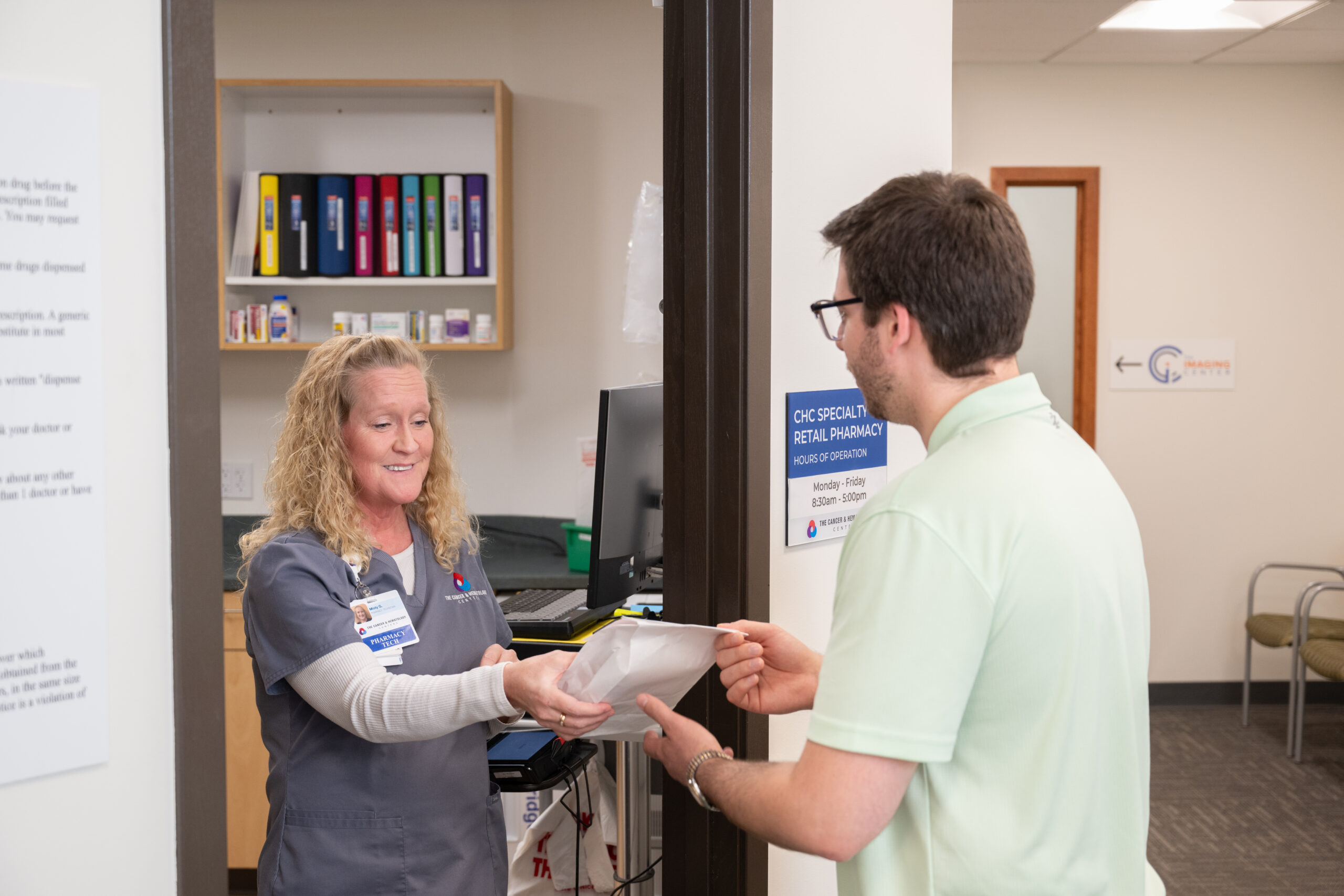
CHC’s multiple locations available throughout West Michigan enable our patients to receive world-class chemotherapy treatment where you live. In addition to providing immunotherapy/bispecific treatment, our locations have amenities such as pharmacies and support services for our patients’ convenience.
What Are The Side Effects?
Bispecific therapy can cause a range of side effects that may occur both during and after your treatment. Side effects will differ depending on the targets of the therapy. Before therapy starts, you will have an education session with our team to help you fully understand potential side effects.
If you are receiving a bispecific therapy that works with your immune system, there is a risk for cytokine release syndrome (CRS) which occurs when your body’s immune system reacts to the cancer cells. CRS can range from mild (fever) to life threatening (need for hospitalization). The risk for CRS is why there is step-up dosing, as discussed above. This is a way to slowly introduce your body to the therapy and lowers the risk for CRS.
CRS includes a fever (temperature greater than 100.4 degrees Fahrenheit) and may include low blood pressure and low oxygen levels. Knowing these risks, we set you up with all the tools you’ll need to monitor for these side effects at home, to reach our clinic, and medications that you can take if this occurs.
There is also the risk for neurological side effects from CRS. We call these side effects ICANS (immune effector cell-associated neurotoxicity syndrome). The risk for this is low with bispecific therapy but something we want you to be aware of. This can present as headache, tremors, weakness, changes in mentation, confusion, or speech changes. Again, we will give you the education and tools to monitor for these at home and to keep you safe. As part of this, we require you to have a 24-hour caregiver during step-up dosing to help you monitor for these side effects.
Other common side effects include:
- Nausea and vomiting
- Fatigue
- Weakened immune system
- Fever
- Diarrhea
- Constipation
- Dehydration
- Depression
- Loss of appetite and/or taste changes
- Mouth sores
- Anemia
- Rash
- Nail changes
Our care team will work with you to help you manage any discomfort during this time. CHC also offers palliative care, a Behavioral Oncology program, and a network of support groups to help with the physical, emotional, and mental challenges that chemotherapy treatment can bring.
How Much Does Bispecific Therapy Cost?
The cost of bispecific treatment can quickly reach tens of thousands of dollars. That’s why CHC has financial coordinators on staff to help our patients manage the costs of their treatment.
Ready to Start Your Bispecific Treatment?
Give us a call at (800) 411-7999 to talk to our staff about bispecific outpatient treatment at CHC. Be sure to check out our locations to find the one closest to you.