
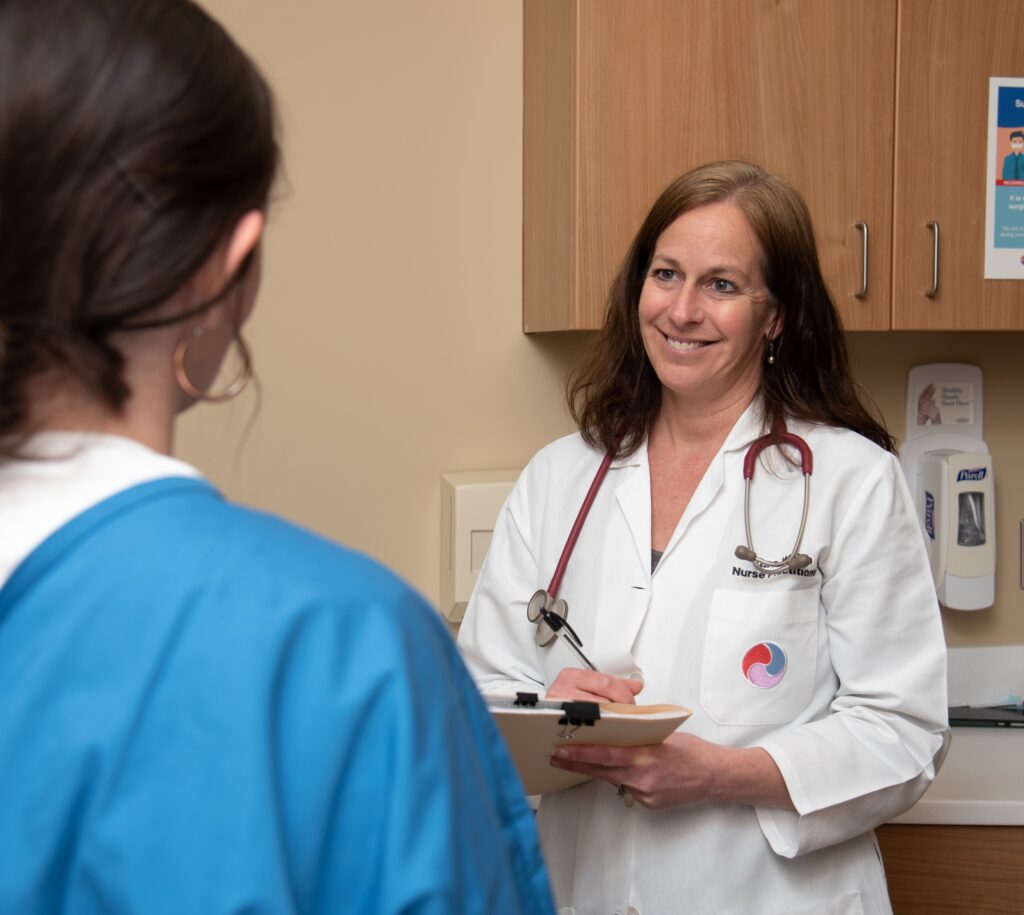
Finding out you have cancer can feel overwhelming. It’s normal to have a lot of questions, and your oncologist is there to help. Asking the right questions can help you understand what’s happening and feel more prepared for the road ahead. Whether it’s your first appointment or a follow-up, here are some important questions to ask your oncologist.
Understanding Your Diagnosis
The first thing to focus on is understanding your cancer. This can help you feel more in control and know what to expect. Consider these three questions to ask your oncologist on your first visit.
1. What type of cancer do I have?
It’s important to know the specific type of cancer you’re dealing with so you can learn about treatments and what the future might look like.
2. What stage is my cancer, and what does that mean?
Your cancer’s stage tells you how much it has grown or spread. Knowing the stage helps you understand how serious it is and what treatments might help.
3. Has the cancer spread to other parts of my body?
Some cancers spread to other areas, which can change your treatment and impact your quality of life. It’s important to know as early as possible if this has happened.
Talking About Treatment
Once you know more about your diagnosis, it’s time to talk about treatment options. Asking questions at your oncologist appointment can help you understand what’s next.
4. What are my treatment options?
Your doctor might suggest different types of treatment, like surgery, radiation, or medication.
5. Why do you recommend this treatment?
It’s good to know why your oncologist thinks a particular treatment is the best choice. Knowing the reason why can help you feel more confident in the plan.
6. What are the goals of this treatment?
Ask if the treatment is meant to cure the cancer, control it, or make you feel better so you can understand what to expect.
7. What side effects should I expect?
Some treatments come with side effects like feeling tired, losing your hair, or feeling sick. Understanding the potential side effects can help you make informed decisions about your care.
8. How long will the treatment last?
Depending on the type, treatments can be long or short. Knowing how long it will take can help you plan your daily life.
Considering How Treatment Affects Your Life
Cancer treatment can change your daily routine. It might affect work, family, and how you feel day to day. Asking questions about this can help you plan.
9. Will I be able to keep doing my normal activities?
Some people can keep working during treatment, while others may need to take time off. Ask your doctor so you can make the best arrangements for you.
10. Can I do anything to help with side effects?
There are sometimes ways to make side effects easier to handle. For example, patients undergoing chemotherapy are often prescribed nausea medications to help them feel better. Your oncologist might suggest ways to help you feel more comfortable during treatment.
Looking at the Big Picture
It’s also important to think about the long-term outlook. This can help you feel more prepared for what comes next.
11. How will we know if the treatment is working?
Your healthcare team will use tests or scans to see if the treatment is helping. Ask how often you’ll be checked and what will happen if the treatment doesn’t work.
12. What is my long-term outlook?
Even though no one can predict the future for sure, your oncologist can give you an idea of what to expect based on the type and stage of cancer and your treatment plan.
13. What happens after my treatment is finished?
After treatment, you will still need check-ups to make sure the cancer hasn’t come back. Ask how often you’ll need to see your doctor after treatment ends.
Thinking About Other Options
Sometimes, it can help to get another doctor’s opinion or look into new treatments. Here are some questions to ask about those things.
14. Should I get a second opinion?
Many people get a second opinion to feel more confident in their treatment plan. It’s okay to ask about this, and most doctors understand.
15. Are there any clinical trials that could help me?
Clinical trials test new treatments that aren’t widely available yet. Your oncologist can tell you if you qualify for any of these trials.
Getting Support
Cancer treatment isn’t just about medicine. It’s also important to think about how it affects your emotions and daily life. Asking about support can help you get the care you need.
16. Are there any support groups or counseling I can join?
Sometimes it helps to talk to others who understand what you’re going through. Your oncologist can help you find support groups or professional counselors to talk to.
17. Is there help for paying for treatment?
Cancer treatment can be expensive, but there may be programs or people who can help with the cost. Don’t be afraid to ask about financial resources.
We’re Here for Your Whole Journey
At The Cancer and Hematology Centers, we’re here to support you throughout your entire cancer journey. Your care team has the experience and compassion to help you and your family members feel more confident about the road ahead. If you’re facing a cancer diagnosis, let us show you the TCHC difference today.